Common Concerns About Home Birth (And How They’re Thoughtfully Addressed)
Understanding the “what ifs” can bring clarity, and often, peace of mind.
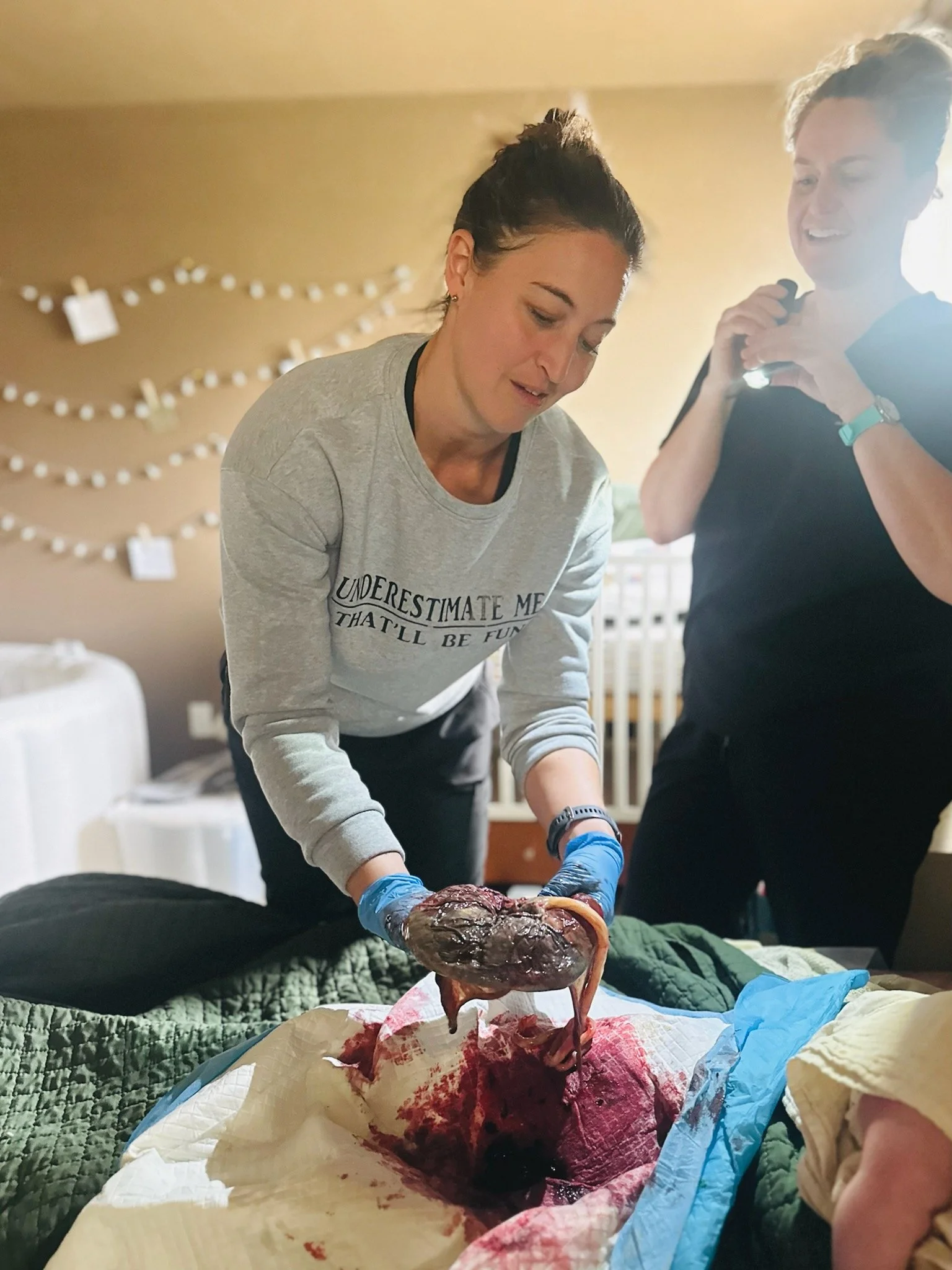

Is Home Birth Safe? Addressing Common Concerns
If you’re considering home birth, it’s completely normal to have questions.
In fact, most families do.
And most of those questions come down to one thing:
What happens if something doesn’t go as planned?
Let’s walk through some of the most common concerns and how they’re addressed within skilled midwifery care.
“What if there’s an emergency during a home birth?”
This is usually the biggest question.
Licensed midwives are trained to:
Recognize early signs that something is no longer within normal limits
Respond to urgent situations with appropriate interventions
Carry medications (including those for postpartum hemorrhage)
Provide newborn resuscitation if needed
Just as importantly, they are trained in decision-making, including when it’s time to transfer care to the hospital.
Most transfers are not true emergencies. They are thoughtful, timely decisions made before a situation becomes urgent.
“Is home birth as safe as hospital birth?”
For healthy, low-risk pregnancies, planned home birth with a qualified provider has been shown in multiple studies to be a safe option.
Research has also shown:
Lower rates of interventions (like inductions, epidurals, and cesarean births)
High rates of maternal satisfaction
Comparable outcomes for babies in appropriately selected cases
Safety in home birth is not about avoiding medical care - it’s about using the right level of care at the right time.
“What about pain management?”
Labor is real, and it’s intense.
But pain is not just physical - it’s influenced by environment, support, and how safe a person feels.
At home, families often have access to:
Freedom of movement
Water (birth tubs or showers)
Continuous, one-on-one support
A familiar, private space
These factors can significantly change how labor is experienced.
“What if I change my mind during labor?”
You’re allowed to.
Choosing a home birth doesn’t take away your options.
If at any point you want a different setting - whether for pain management, pace, or preference - you can transfer to the hospital. Your care team supports that decision without judgment.
“Is it safe for the baby?”
Midwives are trained in newborn assessment and stabilization.
They monitor your baby throughout labor, assess immediately after birth, and are equipped to respond if a baby needs help transitioning.
Most babies do very well. And when extra support is needed, there are clear protocols in place.
A Thoughtful Approach to Risk
Home birth is not about pretending risk doesn’t exist.
It’s about:
Understanding it
Preparing for it
And working within a model of care that respects both physiology and safety
When families have space to explore their questions honestly, what often replaces fear isn’t blind confidence - it’s informed trust.