What Makes Someone a Good Candidate for Home Birth?
Home birth is best suited for healthy, low-risk pregnancies - and families who value informed, supported care.
Who Is a Good Candidate for Home Birth?
A common question when exploring midwifery care is:
“Am I a good candidate for home birth?”
The answer is both medical and personal.
Home birth is designed for families with healthy, low-risk pregnancies. When those conditions are met, it can be a safe, supportive, and deeply personal way to give birth.
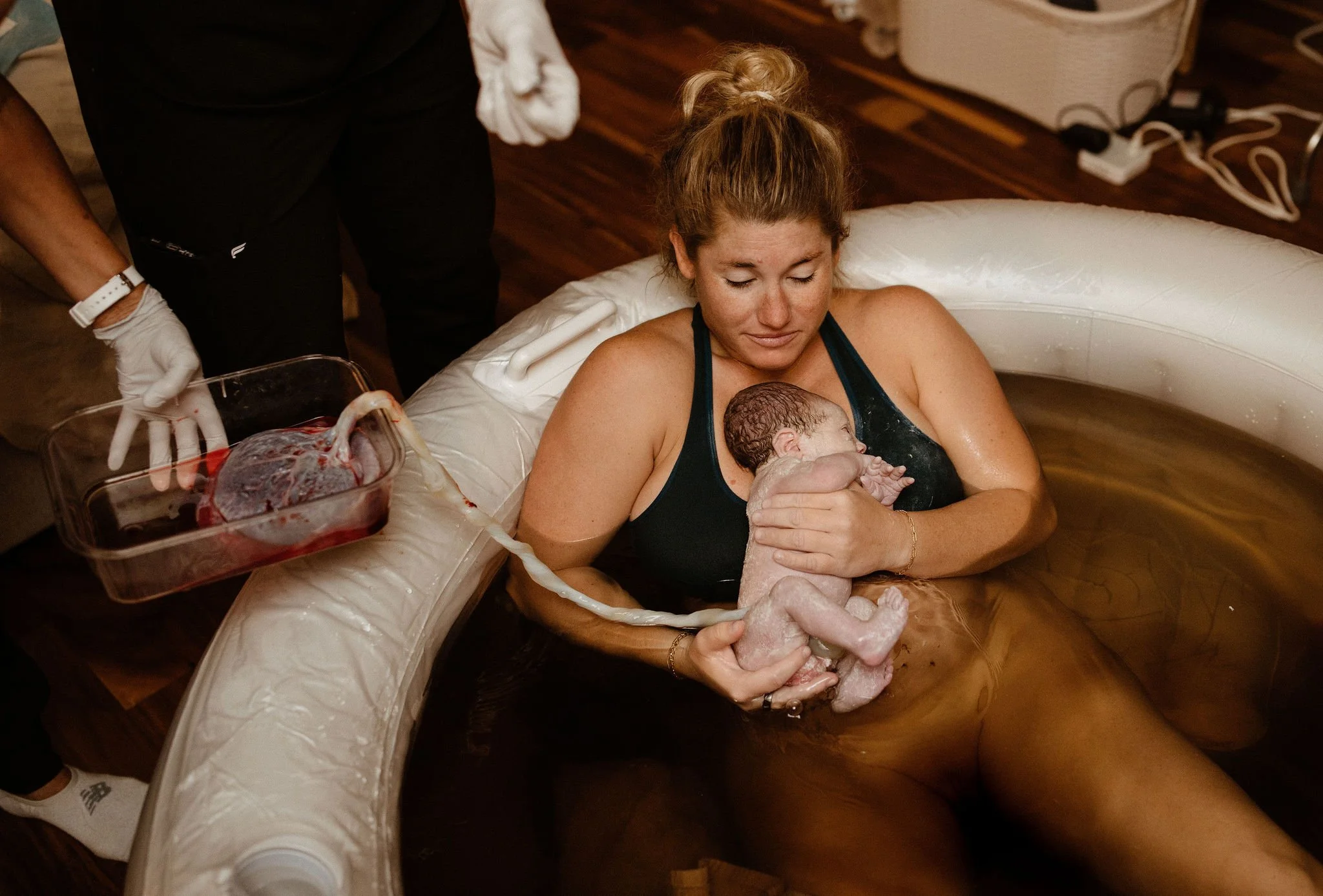
Clinical Factors: What Midwives Look For
While every provider may have slightly different guidelines, most licensed midwives are looking for the following:
Overall good maternal health
A low-risk, uncomplicated pregnancy
No significant medical or obstetric complications
There are also certain situations where home birth may not be recommended, such as:
Certain chronic health conditions
Placental complications
Preterm labor
Or other higher-risk scenarios
A big part of midwifery care is identifying these factors early and continuing to reassess throughout pregnancy.
Ongoing Assessment Matters
One of the most important things to understand is that “low-risk” is not a one-time label.
It’s something that’s evaluated continuously.
Midwives are trained to watch for changes - subtle or significant - and to guide families accordingly. If something arises that makes home birth no longer the safest option, that’s addressed thoughtfully and without delay.
Safety is not ignored in home birth care, it’s actively managed.
Personal Factors: Values and Preferences
Beyond the clinical picture, there’s another layer that matters just as much.
Home birth tends to be a good fit for families who:
Want longer, more relationship-based prenatal visits
Value informed consent and shared decision-making
Prefer a more hands-on, engaged role in their care
Feel comfortable with birth as a physiologic process
Want to labor in a familiar, private environment
It’s not about being “crunchy” or doing things a certain way - it’s about alignment.
It’s Okay If You’re Not Sure Yet
You don’t have to know right away whether home birth is the right fit.
In fact, many families begin simply by exploring.
Meeting with a midwife, asking questions, and understanding your options can bring a lot of clarity, without committing to anything.
A good provider will help you assess both the medical and personal sides of this decision, so you can move forward with confidence in whatever you choose.